bubba1358 said:
Or, to put it in a complete sentence:
How does one provide a complete nutrition for dual-purpose chickens without buying anything from the store?
I understand that raw milk products, free ranging, sunflower seeds, oats/corn, etc. can all contribute to a balanced diet. What would be the ideal vs. the practical? How could I get high-producing chickens without buying commercial feed, ever? This includes overwintering. Think about 30 chickens, and up to a half acre to dedicate for "chicken crops." Total homestead area is 5 acres. Portable electric net fencing is all I have right now - no permanent perimeter. The climate is Nashville/Atlanta - it freezes in the winter, get well over 100 in the summer, and the grass grows from march through November.
Thanks.
If it could be done, it would be done...but it's not being done. The effort and money you would spend to buy seed, till, plant and harvest enough for 30 chickens to produce at a high rate of production(that means having production breeds and not dual purpose breeds)would negate any savings on money and time and would take up space that could be used for foraging natural proteins.
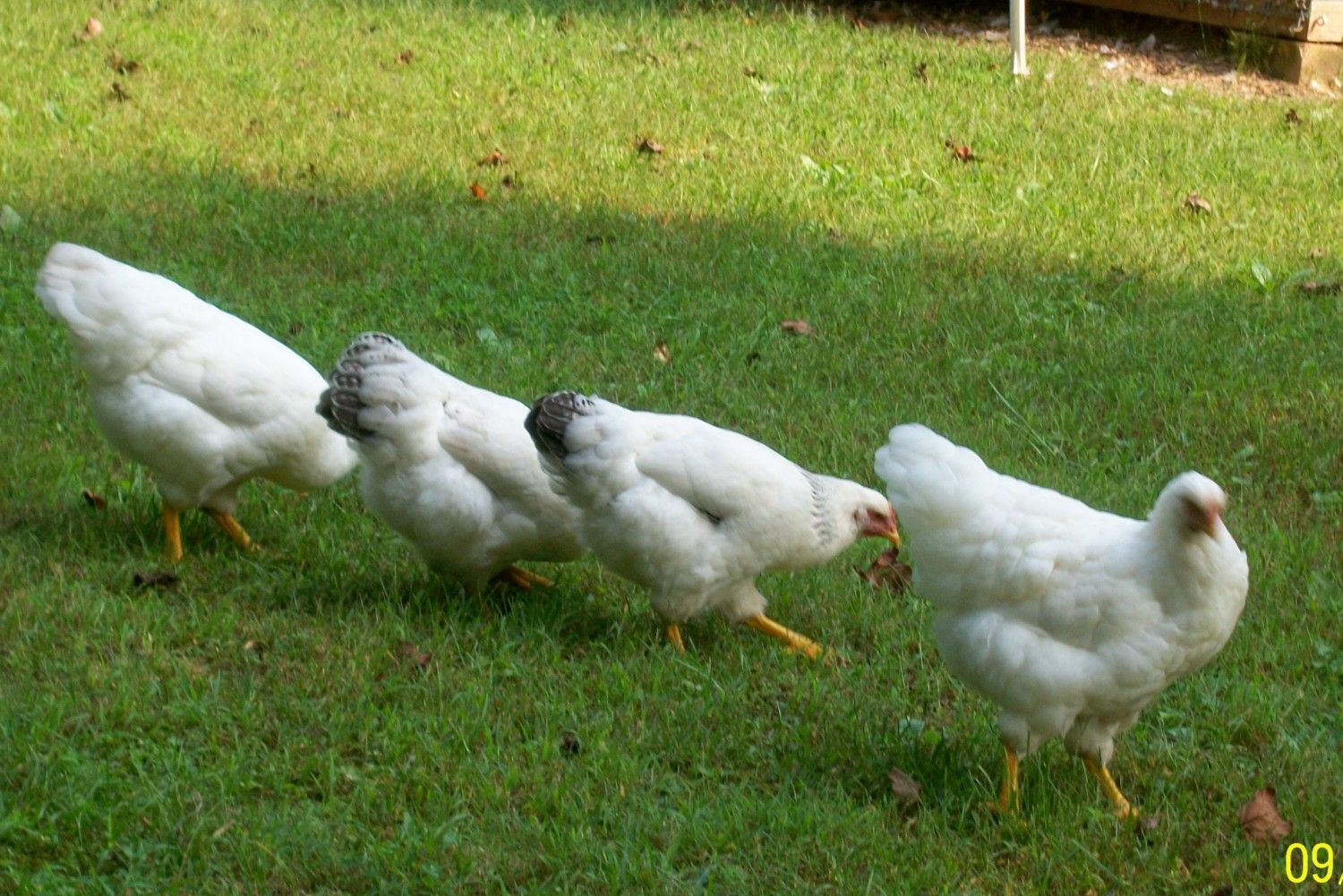
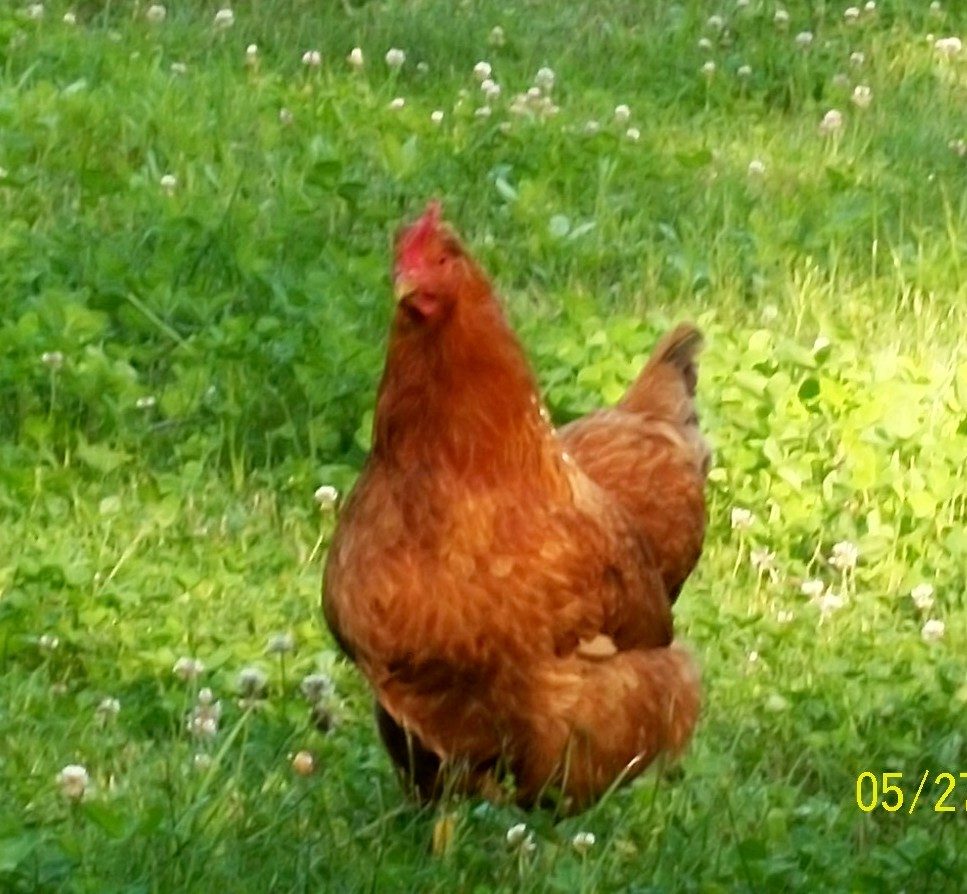
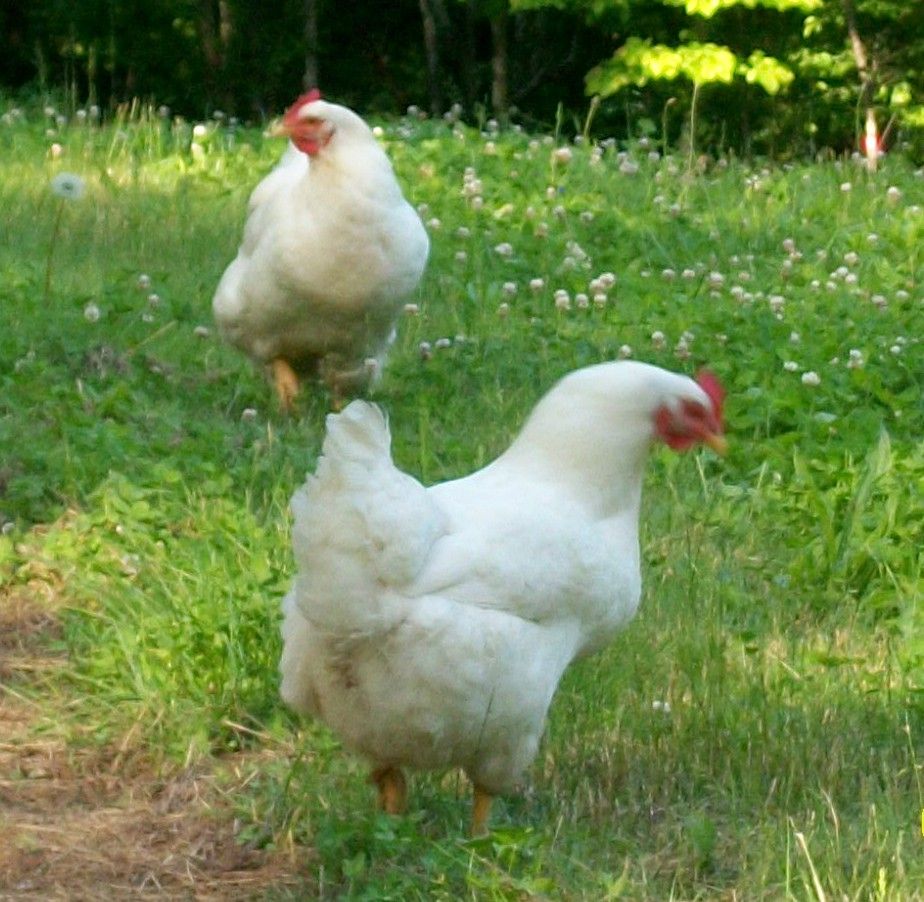
What you can do is set them up for free range on the entire area in which they can range in a day(in good forage this is about 2-3 acres..in poor forage it can mean the entire 5) instead of in a paddock. You can obtain breeds that lay consistently well(not high production)on foraged feeds such as heritage breed lines of Rhode Island Reds, Leghorns, Plymouth Rock(Barred and White), New Hampshire, Black Australorp. These are some breeds that can also go broody and reproduce their own kind each spring, meaning you will have POL birds coming into lay right when your mature flock goes into a slow down..this keeps you at "high" production in a more natural manner.
Fermenting what grains you do supplement with in the winter months, whether you grow them or buy them, can help you feed less and provide a more perfect nutrition. Foraging on your own for road kill deer(you can be put on a list), meat and fat trimmings at local home processing places and even at the local grocery store, local hunters and even through your own deer harvesting, can get you meat proteins you can grind, along with bones, to provide a lot of supplemental nutrition. Foraging for free pumpkins to be found each fall when people discard them from decorating can also yield a good bit of free foods that are incredibly healthy and nutritious for your birds, particularly if you feed those pumpkins after they have fermented and the nutrients have changed to a more perfect protein.
Improve what pasture you have by allowing full free range, promoting bug life, allowing your native grasses to go to seed several times in a season before you mow, keeping wood lots healthy and using deep litter in your coop can also be a source of bug proteins. Growing your own worms is easy and can be done with very little initial cost and can be perpetuated in an ongoing process. Growing cover crops on your garden in the winter months can keep soil and bugs where they need to be and also provide greens even during the winter...these can be winter wheat, beets, kale, white dutch clover, etc.
Forage for manure from stables, rabbits, pigs, etc. from locals and build yourself a huge compost bin and keep adding to it all year...allow the chickens free access. Make the bin big enough for the chooks to shift the compost from one side to the other and back again...keep it rich, keep it thriving.
In short, let the chickens and the property work for you, while you are out foraging and working too~but I wouldn't get all fired up about growing all your own grains for the birds~it takes up valuable forage space, you have the expense and labor to consider, and your crop may fail on any given year. Sure, you can grow some grains on your place but you can also see if a local brewery can give you spent grains, if you can barter eggs and meat for organic seed from local growers, get real well known at local restaurants and schools and see if you can remove their food scraps to add to your compost and worm bin.
High production breeds will not forage as well, will lay themselves out in a few short years and will lay themselves to death on a foraged only diet...in other words, they need some high octane feeds to lay as much as they do and they will keep laying even without the grain based feeds, become ragged and thin and will not thrive for long. Stick to breeds that lay excellent during peak season, well in the off season and take a seasonal slow down in the winter months while the young POL birds take over and just keep a cycle like that going.