We had a discussion like this a long time ago here.
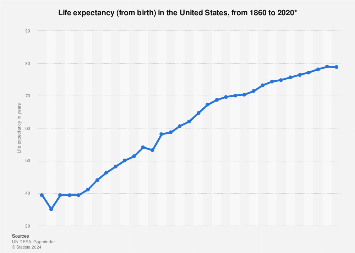
I would not go back, average life expectancy in 1825 was 30 (what I tried to look up), lots of mass disease and suffering. Life was much harder. Having grandparents growing up in the depression with their parents and grandparents living in the 1800s, they never wanted to go back and experience that. My grandmother was THRILLED when they got an indoor toilet in 1961.

Going forward would be dependent on my state of mind at the time of whether things in society would improve or decline in the future.
I love life expectancy information. It's really not understood by most and misrepresented by media and many others. Including government talking heads because they don't understand life expectancy is always broken into age cohorts because average life expectancy is useless for determining how long a person can expect to live. Infant mortality skews it way too much.
That's average life expectancy, not cohort life expectancy. If you reached adulthood, 60-70 was still normal. Even in the worst part of the dark ages it was still pretty normal. Disease mostly kills off the young and elderly with a few exceptions.
There was a reason babies weren't named until 3 years old in some cultures. Infant (under 5) mortality was 30-50 percent in dark ages.
In US in 1900, infant mortality was between 10-30% depending on city and poverty level. It's currently sitting around .56% total for the US. It goes up and down the last few years instead of the constant decrease we'd seen for decades. It's increased in southern states is a good part of that.
There was a concerning uptick back in the early 2000s when it was becoming common for doctors to promote unneeded C sections. Both infant and mother mortality rose in the US. The US actually has the worst infant life expectancy of a developed country.
Most interesting is that all actual human life expectancy dropped like a rock when we became farmers instead of hunter gatherers. Anthropologic records of same timeframe populations show this.
Infant mortality is low for nomadic hunter gatherers as children must be carried so fewer children close together allowing more care for each one. Less disease in those populations as well. It took until the last century for humans to finally get back to the same life expectancies we had pre-agricultural revolution.
Basically, eating grains as the entire basis of our diet encourages disease by causing nutritional deficiencies and weaking the body making it susceptible to other disease. Also causes tooth decay. Teeth are the quickest way to tell apart bones from the transitional time period. Grains were only a small part of diets before agriculture. Sugar also caused a change. There are enough historical records from when it was introduced to Europe to show the issue. It was a rich person disease cause then and doctors railed against it.
Eta: war deaths are a different cohort calculation





 Going strong.


